
Most poker players in this country know the feeling of chasing a bonus that sounds too loud to be real. A freeroll should feel like a genuine entry point, not a thin promise wrapped in marketing gloss. Here we look at poker freeroll australia as a setup built around different priorities than the usual noise, with a focus on trust, account controls, and a player path that actually makes sense before anyone puts money in.
What the freeroll model is supposed to do
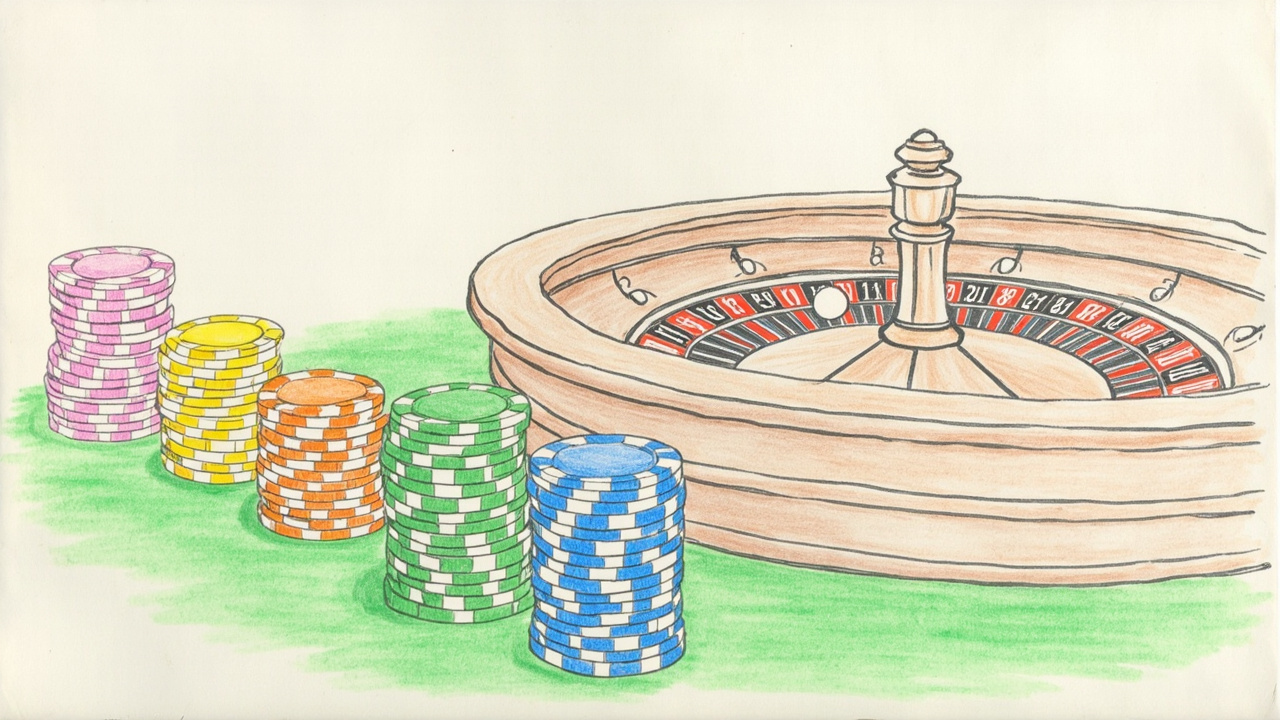
The point of a freeroll is straightforward: a seat at the table without an upfront buy-in, letting you test the room before you commit real cash. Where poker freeroll australia differs is in how it treats that entry point. Rather than dangling a one-off event and then leaving you to fend for yourself, the setup keeps the focus on registration clarity, plain terms, and a tournament structure that doesn’t change the rules halfway through. You still want to treat it like a trial run, not a shortcut to profit, because freerolls are about exposure and learning the room, not about banking a win. The practical value sits in watching how a platform handles a no-cost event: whether the lobby loads cleanly, whether the blinds and timings are stated up front, and whether the staff actually answer questions when the arvo rush hits and the queue builds up.
Trust, support, and account controls
Licensing and security posture
A venue can run a neat freeroll and still leave you exposed if the underlying controls are thin. In this setup, the licence sits with an offshore operator that is not licensed or regulated in Australia, so the honest read is that you are dealing with a jurisdiction outside local oversight, not a domestic-regulated room. That matters because it shapes what happens if something goes sideways: dispute paths, data handling, and the speed of any review process all sit under that foreign framework. On the security side, the account layer uses standard encryption for login and payment details, with two-factor checks available on request. It is the kind of setup that reminds me of a venture deal where the tech stack looks tidy on a pitch deck but the real test is how the team handles a live incident. A clean freeroll means little if the account controls are loose, so the sensible move is to check the privacy terms and the security settings before you even sit down.
Support and responsible-play tools
Support is where a lot of rooms show their real shape, especially when a freeroll crowd turns up all at once and the chat starts stacking up. The staff here are reachable through live chat and a support email, with response times that hold up better during a quiet stretch than during a busy Saturday arvo. More useful than speed, though, is the shape of the responsible-play tools: deposit limits, session reminders, and a self-exclusion option that actually stays in place once you set it. Those controls are not there to get in your way; they are there so a free seat does not quietly turn into a session that runs longer than you meant. Privacy handling is spelled out in plain terms too, with account data kept separate from marketing use unless you opt in. If you are in Hobart and playing on a mobile while the kettle boils, you want a room that treats your details like they belong to you, not like loose change on a counter.
If you’re chasing a bit of extra value while you wait for a reply, you can check out the wolf gold free spins no deposit offer at https://wolf-gold-no-deposit-au.com/. It’s a handy way to keep the momentum going when the queue gets sluggish. Just don’t expect the help desk to match that kind of speed during peak hours.
Matching the freeroll to what players actually need
A freeroll only earns its keep when it fits the way you actually play. If you are after a low-pressure way to watch the software, test the mobile view, and get a feel for the lobby without opening your wallet, this kind of setup makes sense as a first step. If you want a serious grind with deep stacks and structured rewards, a free seat is only a sampler, not the main event. The practical read is to treat poker freeroll australia as a way to judge the room’s rhythm: how the tables run, how the support handles a question, and whether the account tools are there when you need them. For players who value a clear path from free entry to a considered real-money decision, that is a more useful starting point than a flashy bonus that asks you to hurry.

The honest verdict is that a freeroll works best as a measured trial, not a promise. If you want a room that keeps the entry point simple, lays out the controls, and lets you judge the setup on its own terms, this approach has a clear appeal. If you are chasing a quick win, a free seat will not deliver that, no matter how tidy the lobby looks.
- Freeroll: a tournament with no buy-in, usually offering a real-money prize pool or a small reward for participants.
- Buy-in: the amount you pay to enter a paid tournament or cash game.
- Self-exclusion: a tool that lets you block your own account for a chosen period.
- Session reminder: a prompt that nudges you to check how long you have been playing.